Trends
Digital Shopping Trends That Influence Consumer Decisions
The shopping trends behind buying decisions in 2026, from precision over persuasion to fit data and trust signals.
October 30, 2026

How online shopping habits are changing, from research before buying and fit data to gamified checkouts and privacy.
Published on
October 30, 2026

Sponsored post
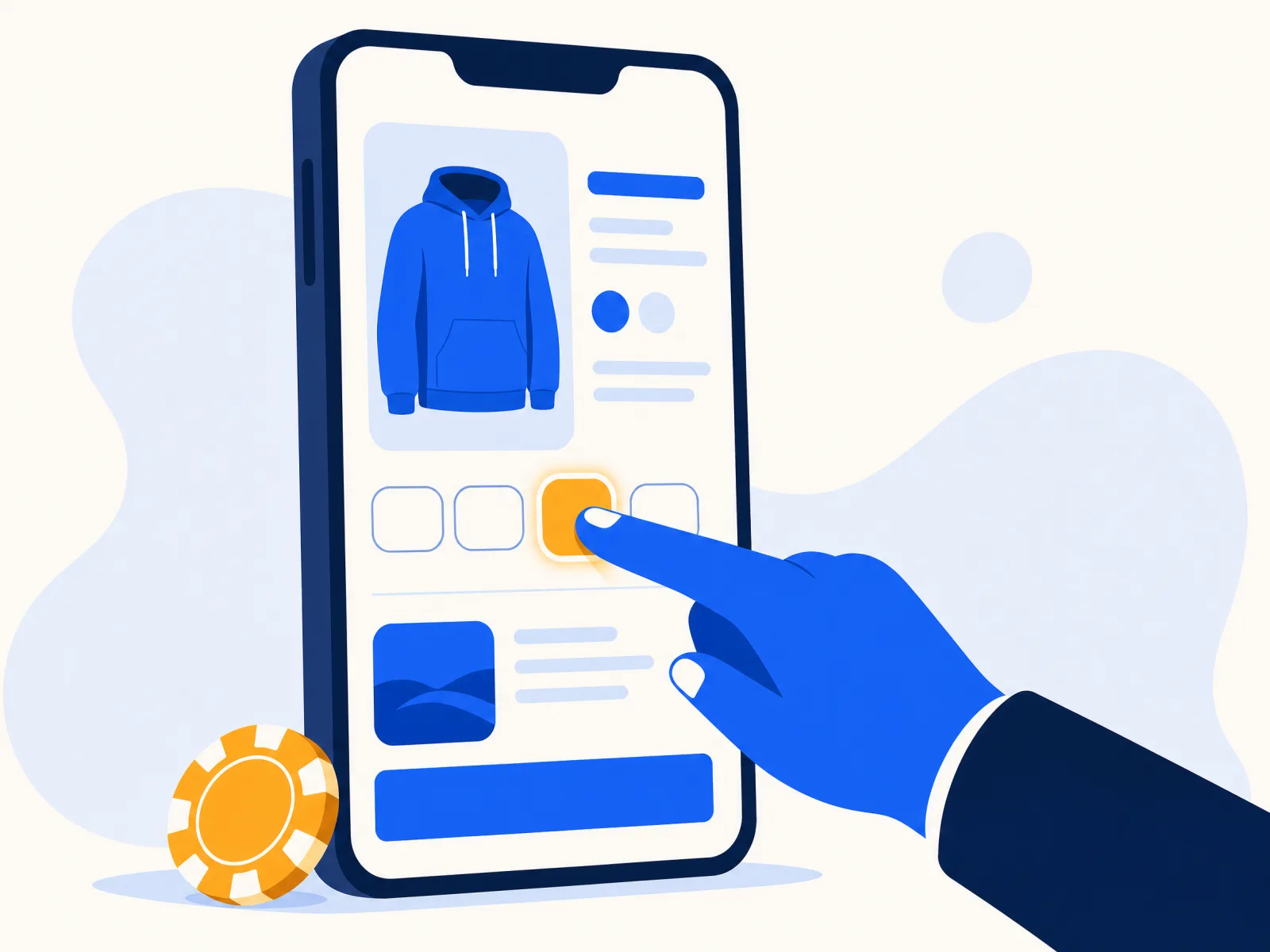
Online shopping has shifted from a novelty to the default way millions of people buy clothes, gadgets, and groceries. The digital age rewired how we browse, compare, and commit to a purchase. Shoppers now expect instant answers, transparent sizing, and a bit of entertainment along the way. That same appetite for instant gratification shows up in gaming, where players hunt for perks like Rocketplay casino free chips no deposit before they ever spin a reel. Understanding these habits helps sellers build stores that people actually trust.
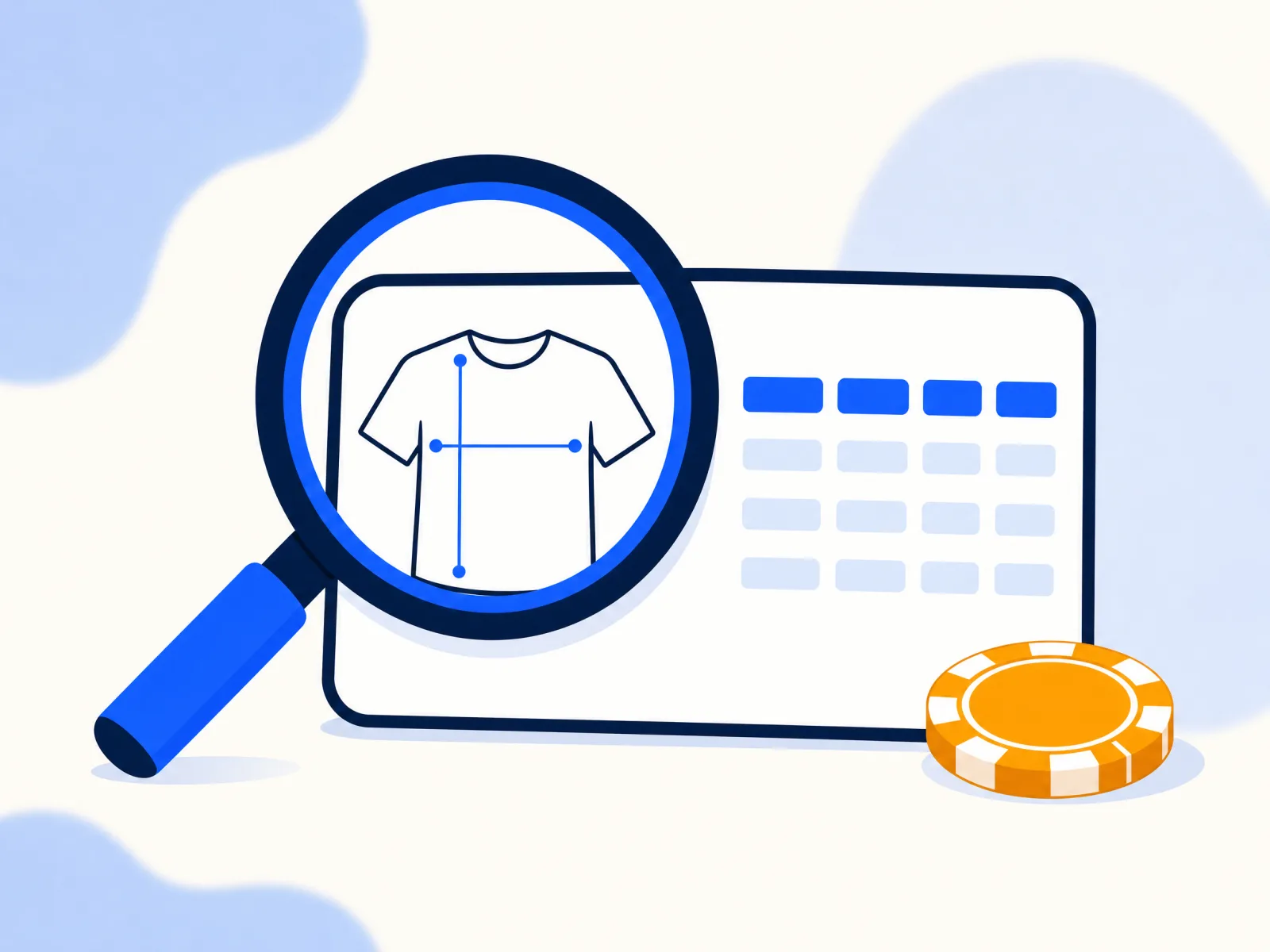
The biggest change is information hunger. Buyers research before they click "add to cart." They read size guides, watch haul videos, and check return policies. They also reward brands that make decisions easy. A shopper who finds a clear measurement chart can decide in seconds instead of opening three more tabs. That principle drives modern e-commerce strategy more than any flashy banner ad.
Fit anxiety kills sales. A customer stares at a product photo, guesses their size, and bails when doubt creeps in. Size labels are part of the problem, because a medium in one brand can be a large in another. Sellers fix this by publishing measurements instead of labels. Sizely, used by more than 85,000 sellers, turns the measurements of an item into a labeled image or a Size Chart for the product page. For shoes, its free shoe size converter matches sizes across more than 450 brands by foot length. That practical approach mirrors what shoppers now demand everywhere: clarity before commitment.
The casino world teaches the same lesson about trust. Players gravitate toward platforms with transparent rules and visible rewards, whether that means comparing slots payouts or scanning the bonuses page for value. Both industries thrive when they remove guesswork from the customer journey. A shopper who knows their measurements and a player who knows the terms both convert with confidence.
Retailers borrowed a page from gaming. Spin-to-win popups, loyalty points, and streak rewards now decorate checkout pages. This crossover makes sense. Games perfected the art of the dopamine hit, and online stores want a slice of that engagement. A well-timed jackpot-style discount notification can pull a hesitant buyer back to an abandoned cart.
Gaming habits also shape expectations about speed and feedback. Players expect instant results from every tap. Shoppers feel the same. Slow pages, clunky size selectors, and hidden fees send them straight to a competitor. The brands that win in 2026 will treat every click like a game turn: fast, clear, and rewarding.
Shoppers grew cautious. They read cookie banners, delete tracking apps, and abandon stores that demand too much information too early. Trust became currency. Sellers who explain data use plainly and protect payment details keep customers longer. Laws such as the EU's GDPR and California's privacy act give shoppers the right to see and delete what a store holds on them, and that changes what they expect at checkout.
Casino operators face identical pressure. Players want fair play and clear terms without surrendering unnecessary personal data. The parallel is hard to miss. Digital consumers, whether buying sneakers or playing slots, reward transparency and punish sloppiness.
Online shopping keeps evolving toward precision and trust. Clear size information, honest policies, and fast feedback loops separate thriving stores from struggling ones. Sellers who invest in fit tools and transparent design give shoppers fewer reasons to send things back. Shoppers who research before they buy get fewer disappointments. The digital age rewards preparation on both sides of the screen, and that rule applies whether you are filling a cart or chasing a bonus.
More from the blog
Guides on how to measure yourself, read a brand's size chart, and convert sizes between brands and countries, so you order the right size the first time.
The shopping trends behind buying decisions in 2026, from precision over persuasion to fit data and trust signals.
October 30, 2026
How online retailers adapt to what shoppers expect now, from clear sizing and personalization to fast mobile pages.
October 30, 2026
How user experience decides which online platforms keep their visitors, with sourced numbers on cart abandonment, page speed and returns.
October 30, 2026