Trends
Digital Shopping Trends That Influence Consumer Decisions
The shopping trends behind buying decisions in 2026, from precision over persuasion to fit data and trust signals.
October 30, 2026

How user experience decides which online platforms keep their visitors, with sourced numbers on cart abandonment, page speed and returns.
Published on
October 30, 2026
Sponsored post
Every online platform lives or dies by how users feel when they click, scroll, and decide. A clean interface builds trust. A confusing one kills it. This truth applies everywhere, from a casino lobby packed with slots and bonuses to a clothing store that helps shoppers pick the right fit. Consider how leading gaming sites handle this: players hunting for a ws casino no deposit bonus codes 2026 quickly judge a platform by how fast they find the offer and how smoothly the claim process runs. The same psychology drives an apparel buyer comparing size charts before checkout. Good design removes doubt. Bad design creates friction, and friction sends people straight to a competitor.
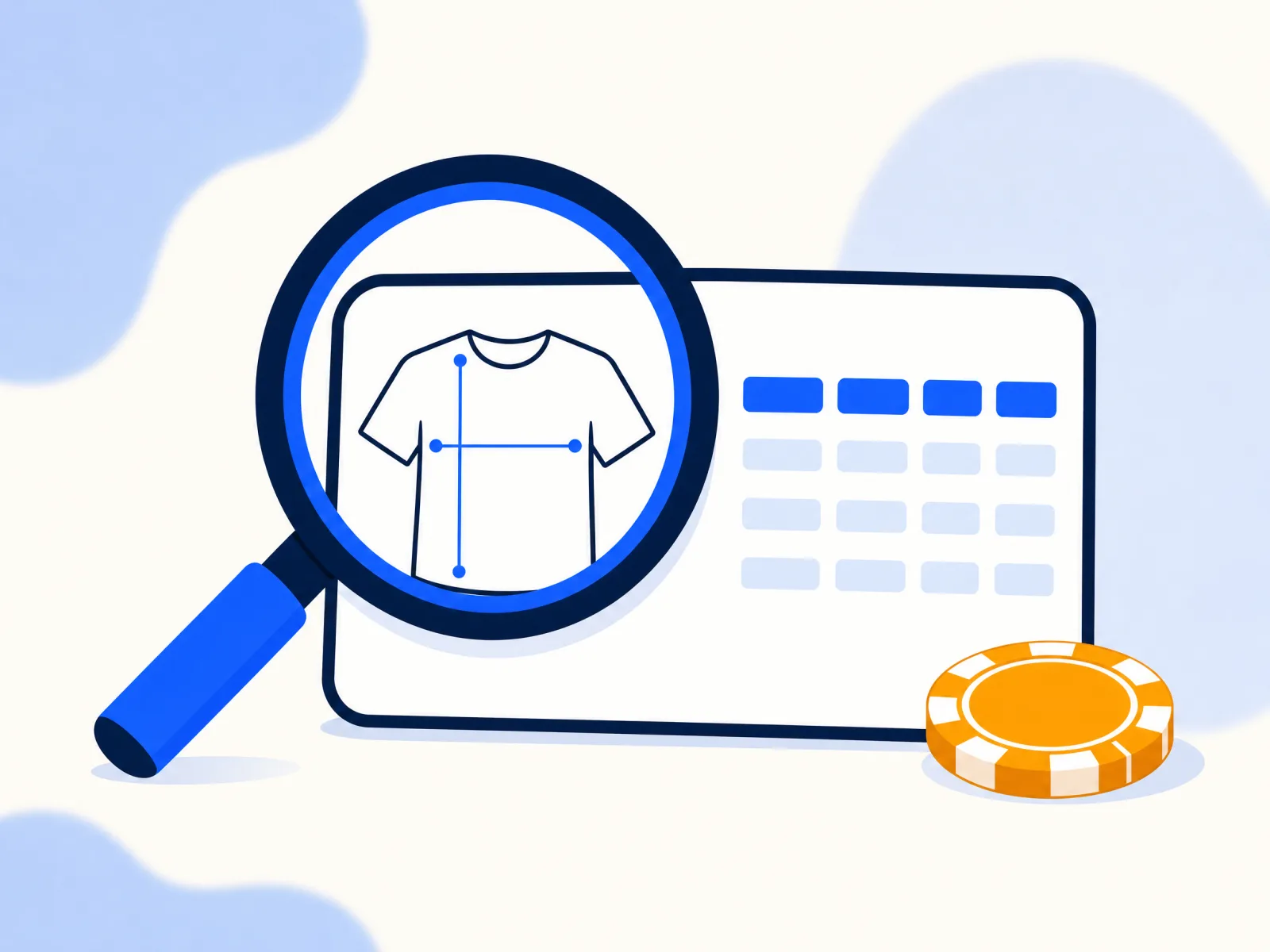
A shopper looking at a pair of jeans online cannot try them on, so the size chart has to do the job of the fitting room. Sizely is built for that moment. A seller types in the measurements of an item, and Sizely turns them into a labeled measurement image or a full Size Chart. Every number shows in inches and centimeters, marked at the spot on the garment where it was taken. The shopper holds those numbers up against a pair they already own and picks a size with far less doubt. This approach mirrors what top gaming platforms do with game lobbies. A player scanning a wall of slots needs the same clarity a shopper needs when choosing between a medium and a large. Both audiences want guidance, not guesswork. Platforms that deliver precise information earn repeat visits. Those that hide it lose customers to rivals who make the choice simple.
A no deposit offer and a size recommendation serve identical purposes. They reduce risk. A new player hesitates before committing money, just as a first-time buyer hesitates before committing to a size. Smart platforms lower that barrier with free spins, trial rounds, and clear terms. Online stores do the same with measurement tables, easy exchanges and size advice placed right next to the size selector. When a platform explains the jackpot odds or the difference between a 38 and a 40 waist, trust grows. Trust converts browsers into loyal users. The mechanics differ, but the psychology stays constant across every industry.
Speed matters, but clarity wins long games. User experience design grew out of cognitive psychology and human factors research, and its oldest lesson still holds: people do what is easy and skip what is not. Winning platforms obsess over three habits. They test flows with real users and fix what breaks. They place key information, whether a bonus code or a size chart, exactly where users expect it. They cut steps, not features. A casino that buries its bonus terms behind five clicks loses players. A clothing store that hides its measurement guide loses buyers. On a product page, that means the size chart opens from a button beside the size picker, not from a link in the footer. The fix stays the same: put answers where questions arise.
User experience is not decoration. It is the engine behind every successful online platform. Gaming sites and e-commerce tools like Sizely prove the same point from different angles: when you remove friction and deliver clear information, people stay, play, and buy. Platforms that respect the user's time and intelligence win loyalty. Those that ignore it fade. Build for the user, and the numbers follow.
More from the blog
Guides on how to measure yourself, read a brand's size chart, and convert sizes between brands and countries, so you order the right size the first time.
The shopping trends behind buying decisions in 2026, from precision over persuasion to fit data and trust signals.
October 30, 2026
How online retailers adapt to what shoppers expect now, from clear sizing and personalization to fast mobile pages.
October 30, 2026
How online shopping habits are changing, from research before buying and fit data to gamified checkouts and privacy.
October 30, 2026