Trends
Digital Shopping Trends That Influence Consumer Decisions
The shopping trends behind buying decisions in 2026, from precision over persuasion to fit data and trust signals.
October 30, 2026

How online retailers adapt to what shoppers expect now, from clear sizing and personalization to fast mobile pages.
Published on
October 30, 2026

Sponsored post
Online shoppers now expect more than fast shipping and a wide catalog. They want accurate product information, flexible options, and a buying experience that respects their time. Smart retailers watch these shifts closely and rebuild their operations around real customer behavior. Even entertainment platforms track user habits with the same rigor, and operators like LuckyHills casino Alberta study player preferences to refine their offers. E-commerce teams can learn plenty from that discipline. The winners treat customer feedback as a product feature, not an afterthought.
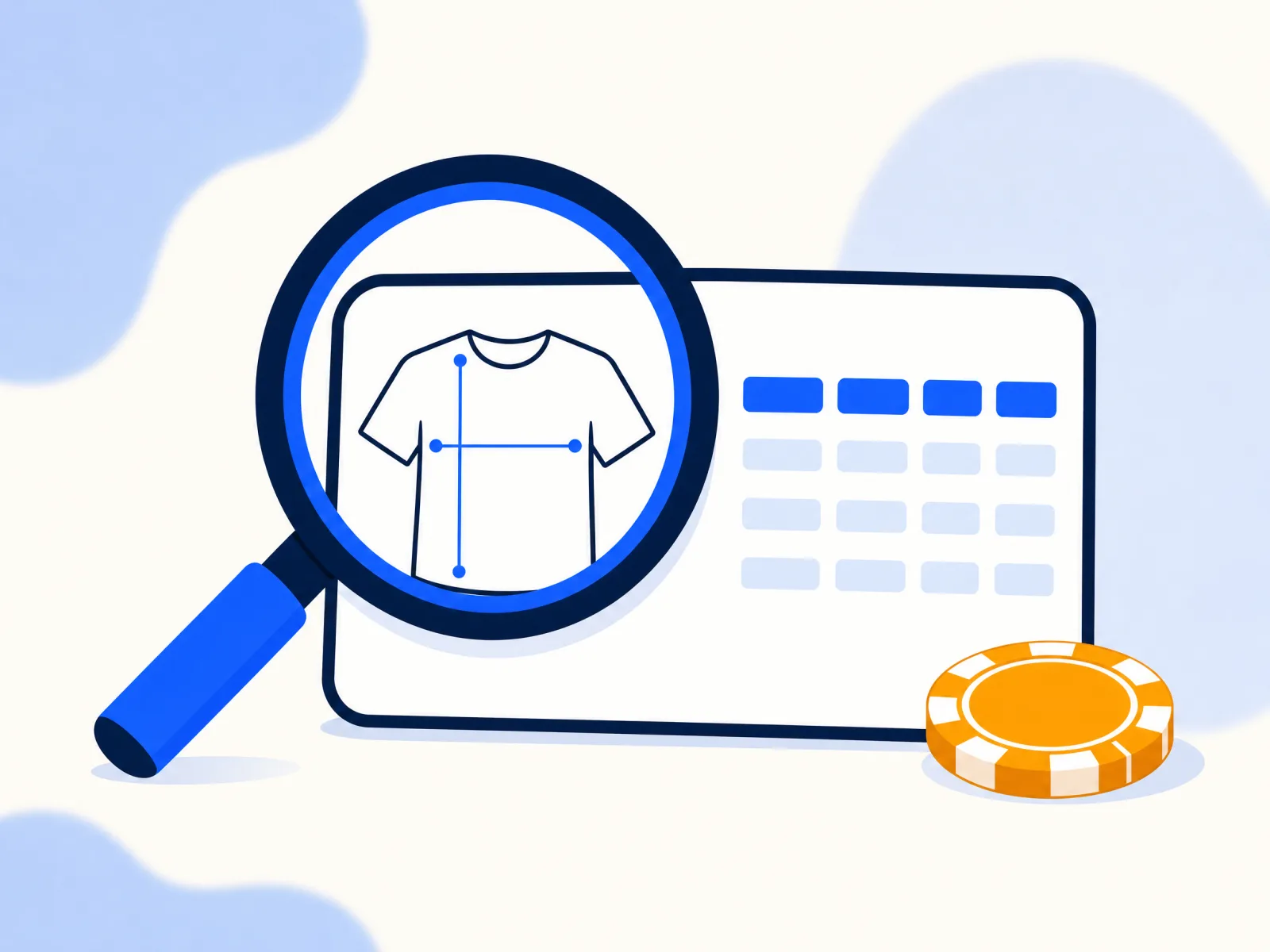
Fit doubt is the quiet killer of online apparel sales. Customers order two sizes, keep one and send the other back, and the seller covers the trip home. Coresight Research found that 53% of apparel sellers name size and fit as the top reason for returns, which is why so many stores now treat sizing as a product feature (our return statistics page tracks the numbers). The fix starts with real measurements. Sizely lets a seller enter the measurements of a garment once and publish them on the product page as a labeled image or a Size Chart. Every number shows in inches and centimeters, with its measuring point marked on a drawing of the item. Shoppers stop guessing from a size label and compare the numbers with clothes they already own. The lesson applies beyond fashion. Any product with variables, from furniture dimensions to electronics specs, benefits from precise guidance. Think of it like a player checking the slots paytable before spinning. Clear information reduces risk and builds confidence.
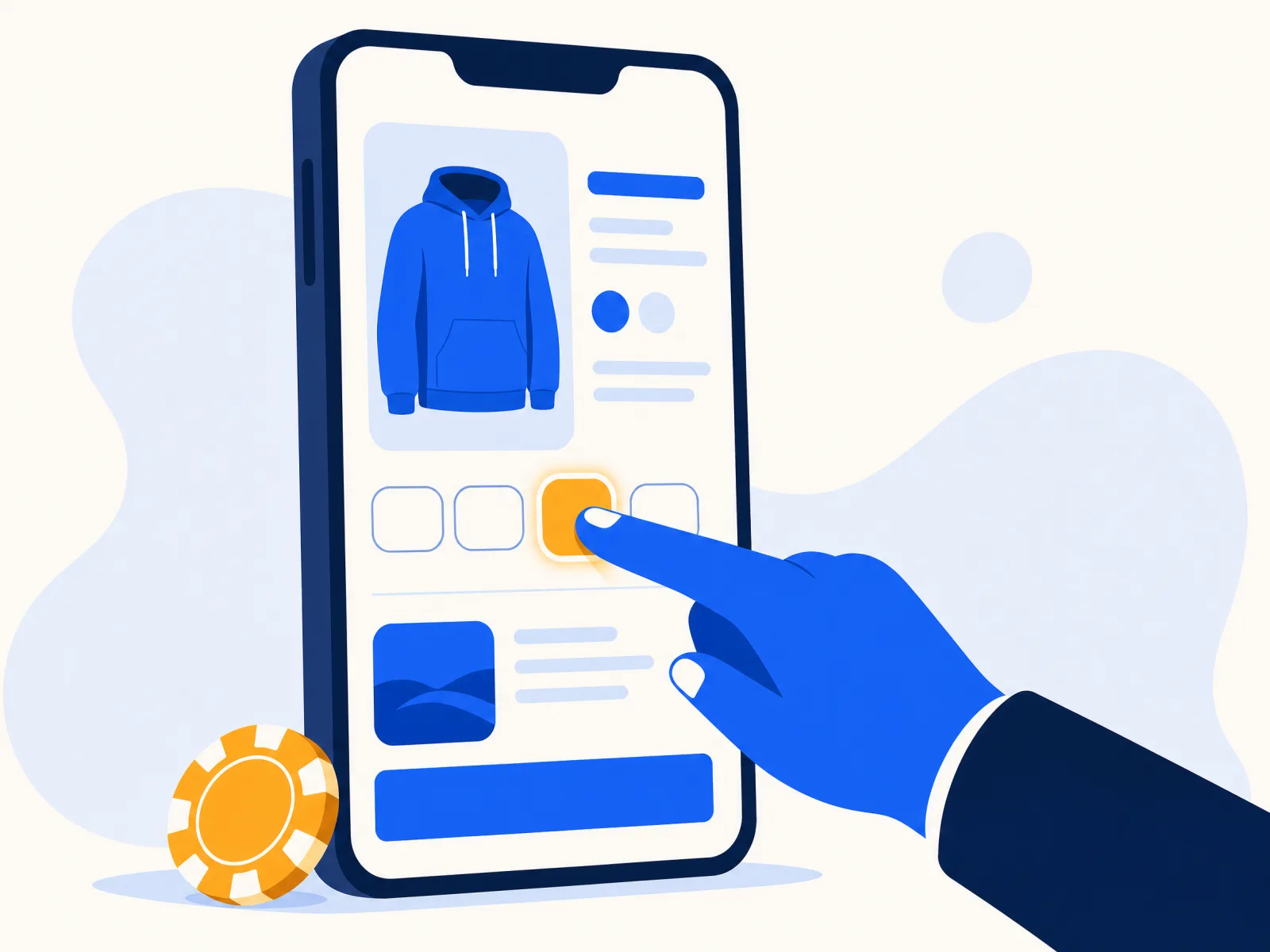
Customer preferences shift fast, and generic storefronts lose ground. Retailers now segment audiences by behavior, purchase history, and browsing patterns. Recommendation engines suggest complementary items at checkout. Loyalty programs reward repeat buyers with early access and exclusive bonuses. The casino industry offers a useful parallel here. Operators tune game lobbies and reward tiers to individual players, and a well-timed jackpot notification keeps users engaged. E-commerce sellers can apply the same logic. A returning customer who bought running shoes should see socks, insoles, and weatherproof gear, not random promotions. The simplest version is sizing: a store that remembers which size a customer kept spares them the guesswork on the next order. Personalization works when data flows cleanly between marketing, inventory, and support teams.
Shoppers abandon slow sites without hesitation. Google's mobile speed research found that 53% of mobile visits are abandoned when a page takes longer than three seconds to load. Retailers respond with lighter pages, compressed images, and mobile-first design. Checkout flows shrink to a single screen where possible. Payment options expand to include digital wallets and buy-now-pay-later plans. Customer service moves to chat and social channels. A size chart that opens in a small window on the product page, instead of a separate PDF, keeps the shopper where the buy button is. Every second of friction costs conversions. Brands that audit their funnel quarterly catch problems before customers do. Practical steps include testing on real devices, monitoring Core Web Vitals, and simplifying form fields. Small fixes add up to measurable revenue gains.
Adaptation is not a one-time project. Customer preferences keep moving, and businesses that listen stay ahead. Start with fit clarity, because size and fit is where most clothing returns begin. Layer in personalization, mobile speed, and responsive support. Measure results, then refine. The retailers that thrive in 2026 and beyond will treat customer feedback as their most valuable product roadmap.
More from the blog
Guides on how to measure yourself, read a brand's size chart, and convert sizes between brands and countries, so you order the right size the first time.
The shopping trends behind buying decisions in 2026, from precision over persuasion to fit data and trust signals.
October 30, 2026
How online shopping habits are changing, from research before buying and fit data to gamified checkouts and privacy.
October 30, 2026
How user experience decides which online platforms keep their visitors, with sourced numbers on cart abandonment, page speed and returns.
October 30, 2026