The Complete Guide to Selling on Poshmark: Tips and Tricks for Success
A workflow for Poshmark in 2026: how fees work, how to set up listings, the flat measurements that reduce returns, what sells fastest, and how to run a closet like a business. Includes a measurement diagram, a measurement-rich vs tagless comparison, and cited Poshmark fee and policy sources.
Written by
Alize Mendez
Published on
June 13, 2026
Key takeaways
Get the Poshmark app and create each listing with the brand, size, flat-lay measurements, and condition; photograph every item in natural light.
Poshmark takes $2.95 on sales under $15 and 20% on sales of $15 or more, with the buyer covering shipping, so the platform fee is your only deduction.
Include flat measurements in every listing in both inches and centimeters, doubling any edge-to-edge number (pit to pit, waist flat) to get the full circumference.
List regularly, share your closet to Posh Parties daily, and use Offer to Likers to convert watchers into buyers.
Last updated 14 June 2026. Fee and policy details in this guide link to Poshmark's official pages; if Poshmark updates them, we refresh this post.
To sell on Poshmark, get the app, take photos of each item in natural light, and create a listing with the brand, size, flat-lay measurements, and condition. Poshmark takes a $2.95 cut on sales under $15 and 20% on those $15 or more. They send you a prepaid label, so the buyer covers shipping. Consistent listing, sharing your closet at Posh Parties, and quickly responding to offers drive sales. The most effective way to ensure steady sales is by providing accurate measurements in each listing. This reduces returns and "does this fit?" queries that slow transactions. Here's the complete workflow for 2026, from your first listing to managing a closet like a business.
Poshmark is a social marketplace for new and used clothing, shoes, and accessories, accessible via app and web. You set prices, take photos, and write descriptions. When an item sells, Poshmark emails you a prepaid USPS Priority Mail label. Print it, pack the item, and either drop it off or schedule a pickup. The buyer pays a flat shipping fee, so your only deduction is the platform fee.
The fee structure is straightforward. For sales under $15, Poshmark takes $2.95. For sales of $15 or more, it takes 20%, leaving you with 80%. There are no listing or monthly fees, so a $40 sweater earns you $32 before costs. Price with that 20% fee in mind from the beginning. Current details are on Poshmark's official selling fees page.
The "social" aspect is essential. Sharing your listings and others into Posh Parties (themed events running multiple times daily) helps items appear in feeds. A closet that shares daily gets significantly more visibility than one that doesn't.
Create an account, then spend twenty minutes browsing sold listings in your category to understand real selling prices. Then start listing. A careful first batch of items beats a rushed large batch.
Choose 5 to 10 items in good condition. Wash, steam, and check zippers, hems, and soles before photographing.
Take the cover photo on a hanger or flat surface against a plain wall in daylight. Include front, back, brand tag, care tag, and any flaws close-up.
Measure the garment flat and include the numbers in the description (more details below). Always provide both inches and centimeters.
Title the listing with brand, item type, size, and color, such as "Lululemon Align leggings size 6 black."
Price 20% to 30% above your target to allow room for offers, then publish and share with your followers.
Photos are key to selling. Use natural light, a plain background, and four to eight angles to outperform a single poor photo. If listing many items, batch the process: hang and shoot in one session, then write listings in another.
Why measurements matter more than any other tactic#
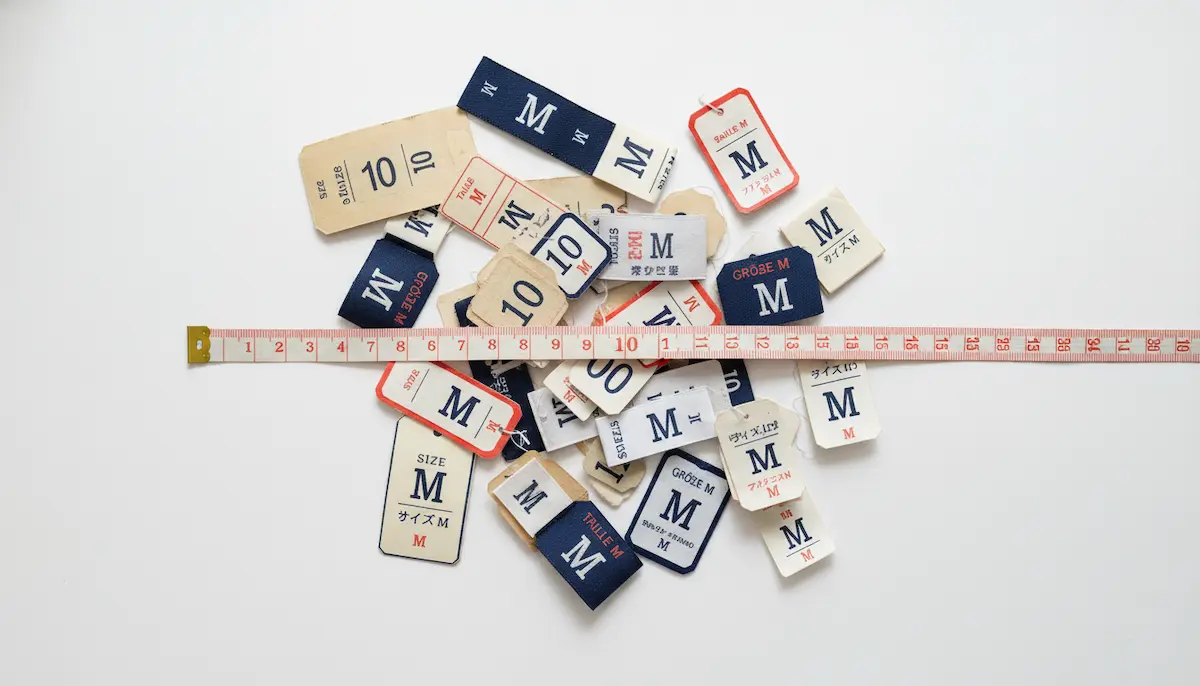
Vanity sizing means a medium from one brand might be two inches (about five centimeters) wider than another's medium. Resale app buyers know this, so listings without measurements get fewer offers and more "what are the pit-to-pit and length?" questions that slow sales. Adding flat measurements removes hesitation.
The difference is clear when comparing two listings side by side. The left column shows what a tagless listing offers a buyer; the right shows what a measurement-rich one offers. The right column is the one that sells without back-and-forth.
Why measurements matter more than any other tactic
What the Listing Shows
Tagless Listing (tag size only)
Measurement-Rich Listing (flat numbers)
What the buyer can verify
The tag size, which varies by brand
The actual garment, in inches and cm
Typical first comment
"Will this fit a US 8?"
An offer, because the answer is already there
Reason for a return
"Didn't fit, the tag lied"
Buyer measured a garment they own and matched it
Time you spend per sale
Several reply messages
Close to zero after listing
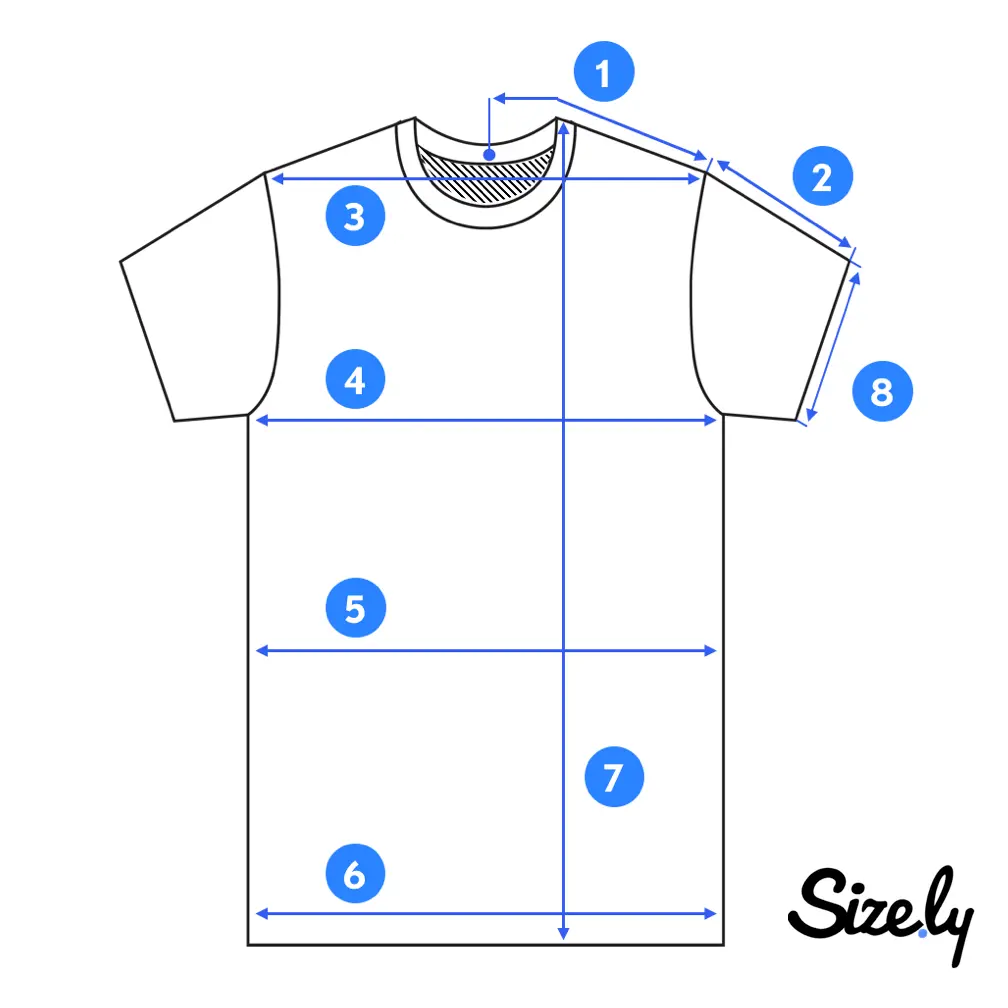
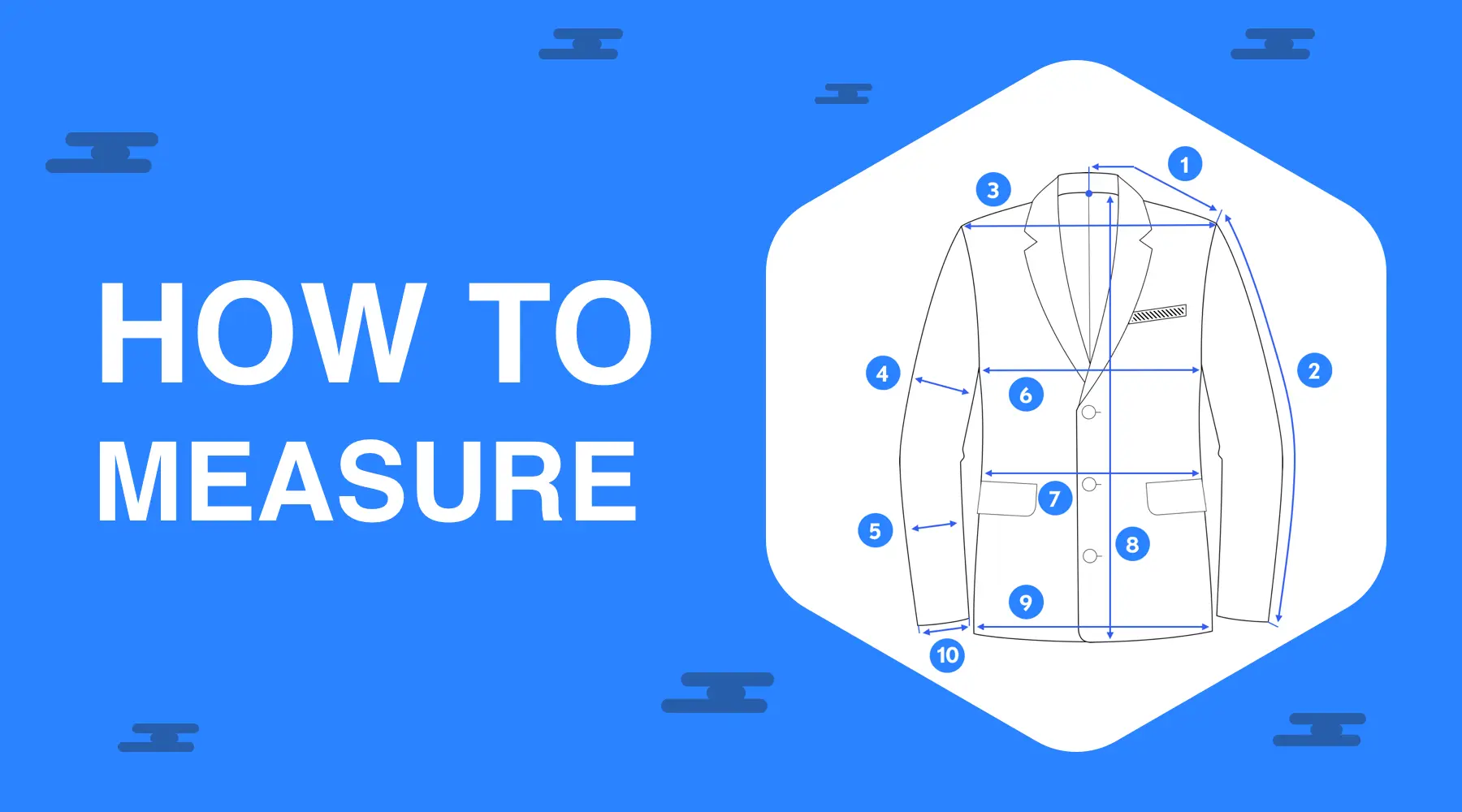
Lay the item flat and smooth, then double numbers taken edge to edge. The labeled diagram below shows the points for a top; the table after it covers other garment types.
Measure a top flat: pit to pit, shoulder to hem, and sleeve. Double the pit-to-pit number for full chest circumference.
Why measurements matter more than any other tactic
Garment
Measure Flat
What to Record
Tops, sweaters, jackets
Pit to pit, shoulder to hem, sleeve
Chest = pit-to-pit x 2
Jeans and pants
Waist flat, rise, inseam
Waist = flat x 2
Dresses and skirts
Waist flat, hip, total length
Hip = flat x 2
Shoes
Insole heel to toe
Note the tagged size too
If a buyer asks if a dress will fit, the answer lies in the numbers, not the tag. Our step-by-step guides cover each one: see how to measure a dress and how to measure jeans for exact points and centimeter conversion.
A three-line measurement block for every description#
To ensure the numbers get noticed, place a three-line block at the top of the description, before any styling notes:
Flat measurements: the two or three key numbers for the garment type, in inches and centimeters (e.g., pit to pit 20 in / 51 cm, length 26 in / 66 cm).
Fit note: a brief, honest sentence on how it fits, like "runs true to size, roomy through the hip."
Condition line: note any flaw pictured or state "no flaws found" if there are none.
A listing starting with this block answers the buyer's main question upfront, reducing "does this fit?" comments compared to one showing only a tag size. The numbers do the work; the block just presents them first.
Sizely is a tool letting online sellers create branded size charts to embed in listings, used by over 85,000 sellers on Poshmark, eBay, Mercari, and others. If you frequently sell the same category, such as women's tops or kids' clothes, a reusable chart mapping your flat measurements to standard sizes saves you typing and gives buyers a clear reference, cutting down returns. Start free at www.size.ly.
Demand clusters in certain categories. Items that sell quickly are usually activewear, in-season denim, designer handbags in good condition, and well-known mid-range brands buyers search by name. Statement jewelry and seasonal items (coats in fall, swimsuits in spring) also sell fast when timed right.
Brand recognition matters because buyers filter by it. Consistently selling names include Lululemon, Nike, Free People, Madewell, Zara, and Anthropologie. If you need to check how a brand's sizing runs before listing, consult the reference charts, such as the Lululemon size chart and the Nike size chart, then include the equivalent flat measurements in your listing.
Some items are banned or simply unsellable. Poshmark prohibits counterfeits and replicas, used cosmetics and personal care products, and anything infringing a trademark. Fast-fashion basics without brand recognition, heavily worn shoes, and out-of-season items at full price tend to linger. Review Poshmark's current prohibited items policy before sourcing in bulk, as rules on categories like beauty and electronics evolve.
Generalist closets work, but focused ones build repeat buyers. Choose a niche you know, like women's workwear, vintage denim, plus-size activewear, or kids' brands, and source accordingly. A buyer interested in one item will explore the rest of your closet, and a cohesive closet turns browsing into bundling.
Treat your numbers like a small shop. Track purchase costs, sale prices, and item duration. Set simple monthly goals (items listed, items sold, average sale price) and review them. Reprice or relist items unsold for 30 to 60 days, since Poshmark highlights newly shared and listed items in searches.
If your volume exceeds what you can manually measure and photograph, the bottleneck shifts from sourcing to listing. Size AI is an iPhone app for high-volume sellers and brands that scans garments for LiDAR-accurate measurements in seconds, generates product photos, scans labels, and drafts listing text, enabling you to measure, shoot, and list at scale. Ideal for those selling tens or hundreds of items weekly; visit sizeai.co. It is rated 4.9 out of 5 from more than 2,300 reviews.
Ratings build trust, and trust boosts sales. Respond to comments and offers within hours, ship items in one to two days, and pack thoughtfully (tissue and a thank-you note are inexpensive and increase your love-note rate). Be honest about flaws in photos and text, as a transparent "small mark on the left cuff, pictured" avoids disputes a hidden flaw might cause.
Use the offer tools proactively. "Offer to Likers" sends a private discount with reduced shipping to everyone who liked an item, converting watchers into buyers more effectively than a public price drop. Bundle discounts (a set percentage off two or more items) encourage single-item buyers to purchase more.
Poshmark takes $2.95 on sales under $15. For sales of $15 or more, it takes 20%, leaving you 80%. There are no listing or monthly fees, with the buyer covering shipping, so the platform fee is your only deduction. Check Poshmark's official fees page for current details.
Activewear, in-season denim, designer handbags in good condition, and recognizable mid-range brands like Lululemon, Nike, Madewell, and Zara sell fastest. Buyers filter by brand, so well-known labels with precise measurements sell faster than unbranded basics.
List regularly, share your closet to Posh Parties daily, include flat measurements in every listing, and use "Offer to Likers" to convert watchers. Fresh listings and recently shared items rank higher in searches, so activity compounds.
Yes. Tag sizes vary by brand, so flat measurements (pit to pit, length, waist, inseam) solve the buyer's actual question and reduce returns. Provide both inches and centimeters, doubling any edge-to-edge measurement to get the full circumference.
Poshmark excels in fashion with a lively social feed, while Mercari accepts a broader range of categories with different charges. Many sellers list on both. See our side-by-side Poshmark vs Mercari comparison for fee and audience differences.
Once your closet is up and running, expand where your buyers already are. Cross-listing to other apps extends your reach without extra sourcing. Our roundup of websites and apps to sell clothing online covers the main platforms and their fee comparisons. The essential habits remain the same across platforms: clear daylight photos, honest condition notes, and real measurements in both inches and centimeters.
Buyers skip listings when they cannot tell if it fits. Make a size chart image for your listings in about a minute with the free Size Chart maker, and check your margins with the Poshmark fee calculator.
Run your own store too? Sizely Fit Finder tells shoppers their size right on your product pages.
Alize brings a deep understanding of the complexities of apparel sizing and has been instrumental in developing innovative measuring techniques that are at the heart of Sizely's technology. With over 5 years of experience as an online seller, her insights into clothing measurements have helped countless e-commerce businesses minimize returns and enhance customer satisfaction.
More from the blog
Sizing and fit, explained
Guides on how to measure yourself, read a brand's size chart, and convert sizes between brands and countries, so you order the right size the first time.
Sizing standards like ASTM, EN 13402, and ISO 8559 exist but are voluntary, so brands set their own fit and labels drift. Here is why sizes never match, and how to shop by measurement instead.
The eye size is the most important number for fit. Read the three numbers stamped on the arm, or confirm them with a millimeter ruler in about two minutes.
A guide to measuring jackets and blazers flat for online listings: nine flat measurements in inches and centimeters, a size-tag table cross-checked against ASTM D6240 and ISO 8559-1, fit notes, common mistakes, and FAQs.